Thirteen aerogel product lines across powders, coatings & slurries and composites, customizable to operating conditions.
Aerogel Powder
BZ-AP20
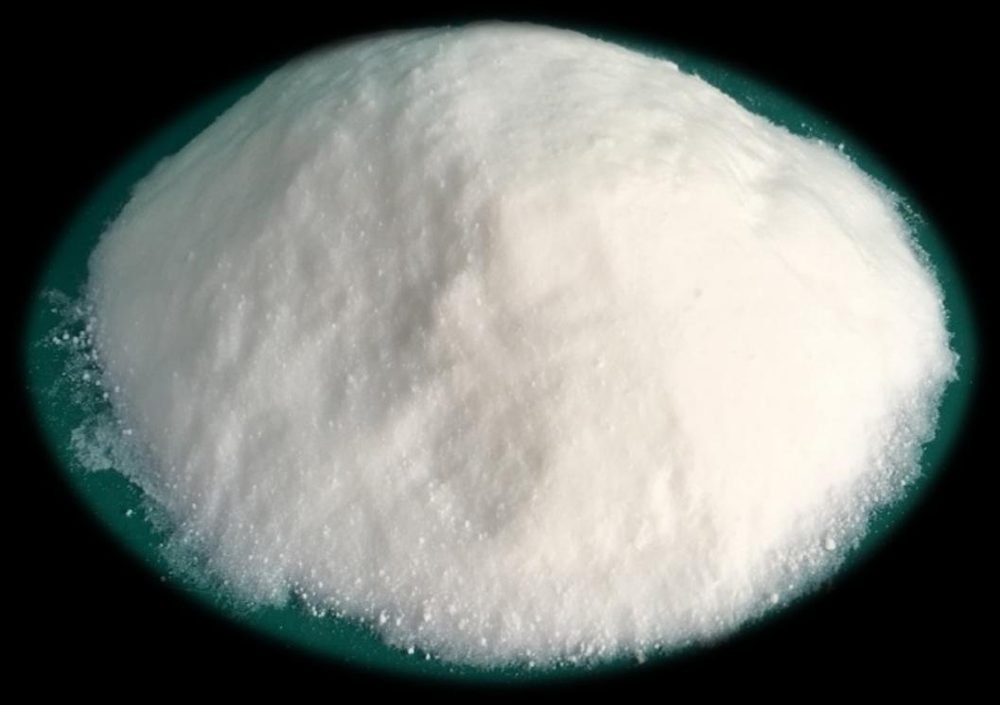
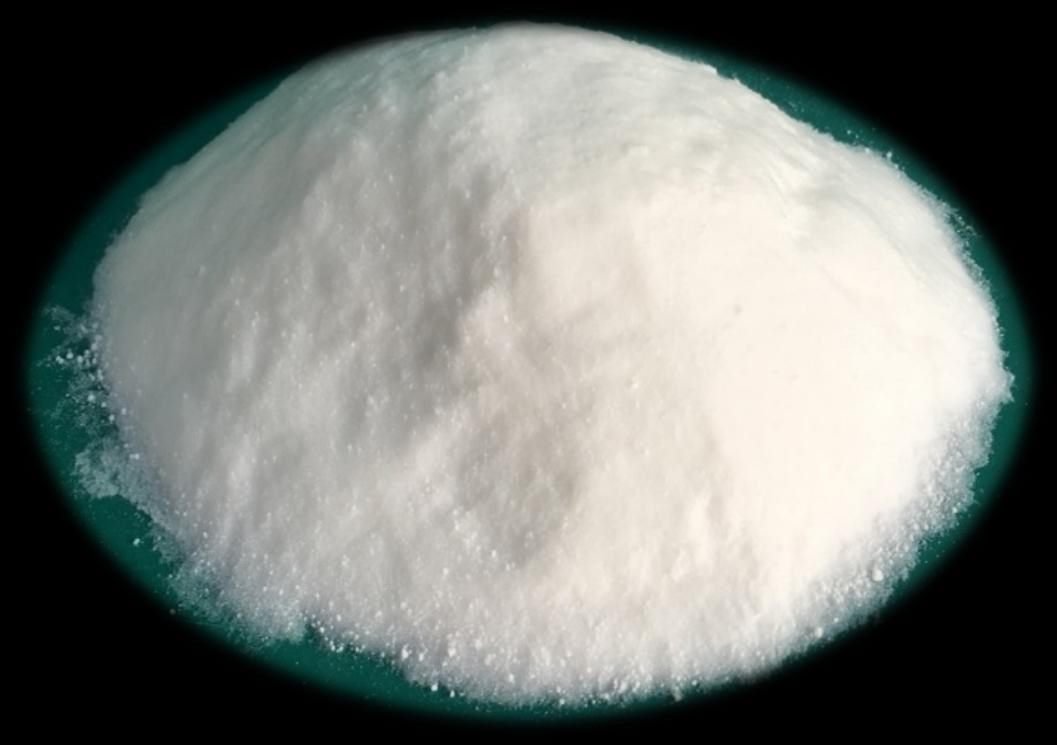
A white nano powder built on silica aerogel with a controllable particle size — an ideal functional filler for coatings, emulsion paints, drywall, plastics and insulation mat fillers.
Conductivity0.017–0.023 W/(m·K)
Water repellency≥145°
Porosity≥90%
Particle size20 μm
Specifications
Form
White powder
Main component
Silicon dioxide
Pore size
~15 nm
Particle size
20 μm
Porosity
≥90%
Thermal conductivity
0.017–0.023 W/(m·K)
Hydrophobicity
≥145°
Container loading10 kg/bag · 20 ft: 450 bags · 40 ft: 1,000 bags; neutral bags in 25 kg, 100 kg and 1-ton sizes
Specifications are indicative and can be customized to actual operating conditions.
Typical Applications
Coatings & emulsion paints
Drywall & building boards
Plastics compounding
Insulation mat fillers
FormWhite powder Packaging10 kg/bag with breathing valve
Key advantages
Nano-porous structure~15 nm pores, ≥90% porosity
Ultra-low conductivity0.017–0.023 W/(m·K)
Strong hydrophobicityContact angle ≥145°
Customizable particle sizeFor different processes
Application Notes
Dose into coatings, emulsion paints, drywall or plastics and disperse thoroughly. Particle size distribution and surface modification can be customized per process.
Thermal insulation layer for exterior and interior building walls. Apply by troweling or spraying; single-coat thickness must not exceed 2 mm and application temperature must be above 5 ℃.
Bond strength≥0.6 MPa
Drying time≤8 h
Water resistanceNo abnormalities after 96 h
FormWhite coating
Specifications
Appearance
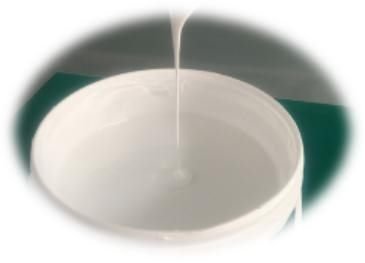
White coating
Drying time
≤8 h
Bond strength
≥0.6 MPa
Water resistance
No abnormalities after 96 h
Alkali resistance
No abnormalities after 96 h
Container loading20 L HDPE round drums on pallets · 20 ft: 800 · 40 ft: 1,150; neutral drums in 20 L, 200 L and IBC
Specifications are indicative and can be customized to actual operating conditions.
Typical Applications
Exterior wall insulation
Interior wall insulation
Roof insulation
FormWhite coating Packaging20 L/drum (10 kg/drum)
Key advantages
Max 2 mm per coatPrevents sagging and cracking
Bond strength ≥0.6 MPa96 h water and alkali resistance
High coverage20 L covers about 8.3 m² at 2 mm
Application Notes
Stir thoroughly before use; add up to 5% water by weight as needed. At a 2 mm dry film thickness, coverage is about 1.2 kg (2.4 L) per square meter; one 20 L pail covers about 8.3 m². When total plaster thickness reaches 35 mm or more, reinforcement such as mesh fabric is required.
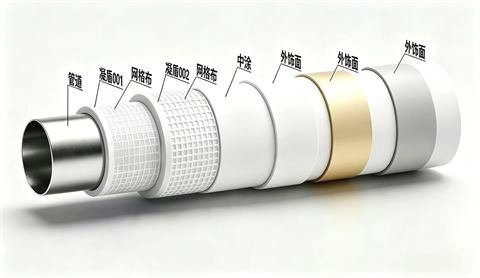
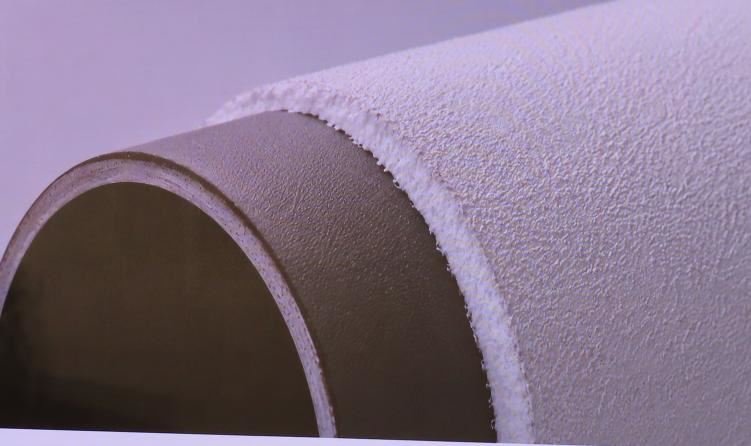
A water-based nano thermal insulation coating combining insulation, heat shielding, waterproofing and anti-corrosion performance — able to replace conventional insulation layers at ambient operating conditions.
Conductivity0.038–0.045 W/(m·K)
Temperature<150 ℃
Density0.40–0.45 kg/L
Adhesion2.0 MPa
Specifications
State
White coating
Density
0.40–0.45 kg/L
Operating temperature
<150 ℃
Coverage
0.85–1.1 L/m²
Thermal conductivity
0.038–0.045 W/(m·K)
Adhesion
2.0 MPa
Water resistance
1,000 h
Salt spray resistance
1,000 h
Container loading20 L HDPE round drums on pallets · 20 ft: 800 · 40 ft: 1,150; neutral drums in 20 L, 200 L and IBC; shelf life 6 months incl. shipping
Specifications are indicative and can be customized to actual operating conditions.
Typical Applications
Industrial pipes & tanks
Equipment surfaces
Building roofs
FormWhite coating Packaging20 L/drum
Key advantages
2.0 MPa adhesionFirmly bonded to substrate
1,000 h water and salt sprayFor humid coastal sites
Class A non-combustibleZero-VOC water-based
Outer waterproofingPaired with the ND series
Application Notes
Must be diluted before use; apply by spraying or rolling. Apply a thin first coat of about 1 mm, then a second coat once the surface has dried, keeping total thickness near 2 mm. For greater thickness, wait until the previous coat is fully dry. Coats that are too thin, or a single coat applied too thickly, may sag or crack.
Two temperature grades under one model number: the medium-temperature grade serves equipment up to 400 ℃, while the low-temperature grade reaches 0.03 W/(m·K) for piping and envelopes up to 150 ℃. Both are Class A non-combustible heavy-build coatings.
Conductivity≤0.04 / ≤0.03 W/(m·K)
Temperature≤400 / ≤150 ℃
Fire ratingClass A non-combustible
Density0.6 / 0.45 g/cm³
Specifications
State
Grayish-white coating
Wet density (medium / low temp)
0.6 / 0.45 g/cm³
Dry density (medium / low temp)
0.2 / 0.15 g/cm³
Operating temperature (medium / low temp)
≤400 / ≤150 ℃
Flame retardant rating
Class A non-combustible
Coverage
1.0–1.2 L/m²
Drying time (4 mm)
≤4 h
Thermal conductivity (25 ℃, medium / low temp)
≤0.04 / ≤0.03 W/(m·K)
Application
Brushing, troweling, scraping, spraying
Container loading20 L HDPE round drums on pallets · 20 ft: 800 · 40 ft: 1,150; neutral drums in 20 L, 200 L and IBC; shelf life 6 months incl. shipping
Specifications are indicative and can be customized to actual operating conditions.
Low-temp up to 150 ℃Conductivity down to 0.03 W/(m·K), dry density 0.15 g/cm³
Class A non-combustibleBoth grades rated Class A
Heavy-buildBrush, trowel, scrape or spray
Application Notes
Spray, trowel, scrape or brush onto industrial equipment and piping; once dry it delivers thermal insulation, heat shielding and moisture resistance. The AJ10 series is typically used with AJ01 (R001) applied as the outer layer for enhanced water resistance.
A 10 mm aerogel thermal insulation blanket roll with thermal conductivity down to 0.021 W/(m·K), Class A non-combustible rating and ≥98% water repellency — the workhorse specification for pipe and equipment insulation.
Conductivity≤0.021 W/(m·K)
Temperature<650 ℃
Fire ratingClass A (non-combustible)
Density170–230 kg/m³
Specifications
Form
White roll
Operating temperature
<650 ℃
Density
170–230 kg/m³
Thermal conductivity
≤0.021 W/(m·K)
Flame resistance
Class A (non-combustible)
Water absorption
<5%
Water repellency
≥98%
Container loadingRoll length 144 ft or customized · neutral packaging, rolls wrapped with PE film
Specifications are indicative and can be customized to actual operating conditions.
Typical Applications
Steam & thermal piping
Tanks & reactors
LNG & cryogenic facilities
FormWhite roll PackagingWidth 1.5 m · roll
Key advantages
≤0.021 W/(m·K)One third the thickness
Class A non-combustibleNo melting or dripping
≥98% water repellencyWater absorption <5%
Flexible rollConforms to pipes and shapes
Application Notes
Cut to size and wrap around pipes or equipment, securing with wire or fiberglass tape. For two or more layers, install one layer at a time.
The 5 mm aerogel thermal insulation blanket suits space-constrained piping, valves and irregular equipment, and combines flexibly in multi-layer build-ups.
Conductivity≤0.021 W/(m·K)
Temperature<650 ℃
Fire ratingClass A (non-combustible)
Density170–230 kg/m³
Specifications
Form
White roll
Thickness
5 mm
Width
1.5 m
Operating temperature
<650 ℃
Density
170–230 kg/m³
Thermal conductivity
≤0.021 W/(m·K)
Flame resistance
Class A (non-combustible)
Water absorption
<5%
Water repellency
≥98%
Roll length
144 ft or customized
Container loadingRoll length 144 ft or customized · neutral packaging, rolls wrapped with PE film
Specifications are indicative and can be customized to actual operating conditions.
Typical Applications
Valves & flanges
Irregular equipment
Multi-layer build-ups
FormWhite roll PackagingWidth 1.5 m · roll
Key advantages
5 mm profileFor tight diameters and flanges
Multi-layer build-upStack to target thickness
Same performance≤0.021 W/(m·K), Class A
Application Notes
Cut and wrap, securing with wire or fiberglass tape. Combined with the 10 mm grade it forms cost-effective multi-layer insulation build-ups.
The 3 mm ultra-thin aerogel thermal insulation blanket serves thickness-critical applications such as instrument lines, precision equipment and inside EV battery packs.
Conductivity≤0.021 W/(m·K)
Temperature<650 ℃
Fire ratingClass A (non-combustible)
Density170–230 kg/m³
Specifications
Form
White roll
Thickness
3 mm
Width
1.5 m
Operating temperature
<650 ℃
Density
170–230 kg/m³
Thermal conductivity
≤0.021 W/(m·K)
Flame resistance
Class A (non-combustible)
Water absorption
<5%
Water repellency
≥98%
Roll length
144 ft or customized
Container loadingRoll length 144 ft or customized · neutral packaging, rolls wrapped with PE film
Specifications are indicative and can be customized to actual operating conditions.
Typical Applications
Instrument lines
Precision equipment
Battery pack interiors
FormWhite roll PackagingWidth 1.5 m · roll
Key advantages
3 mm ultra-thinFor thickness-critical work
Cut to fitConforms to complex geometry
LaminatableJackets, panels, battery boxes
Application Notes
Cut and bond directly; ideal for small diameters and tight spaces. Avoid over-stretching during installation to preserve thermal performance.
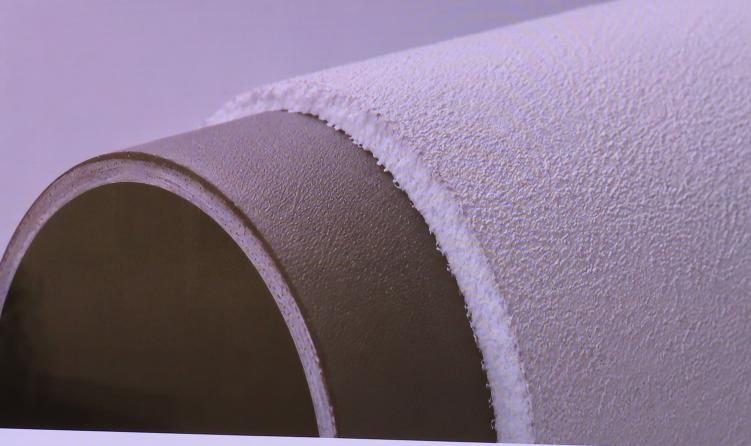
An ultra-thin hydrophobic aerogel cotton combining thermal insulation with electrical insulation. Dielectric strength exceeds 4 kV/mm, serving consumer electronics, small appliances and new energy equipment.
Conductivity0.012–0.018 W/(m·K)
Temperature−50 to 230 ℃
Dielectric>4 kV/mm
FormWhite roll
Specifications
Form
White roll
Thermal conductivity
0.012–0.018 W/(m·K)
Operating temperature
−50 to 230 ℃
Surface properties
Hydrophobic
Dielectric strength
>4 kV/mm
Container loadingRoll length 144 ft or customized · neutral packaging, rolls wrapped with PE film
Specifications are indicative and can be customized to actual operating conditions.
Typical Applications
Consumer electronics
Small appliances
New energy equipment
High-end equipment
FormWhite roll PackagingWidth 1.2 m · 0.4–0.6 mm
Key advantages
As low as 0.012 W/(m·K)Lowest in the range
0.4–0.6 mmSaves internal space
>4 kV/mm dielectricInsulation plus electrical safety
HydrophobicStable from −50 to 230 ℃
Application Notes
Suited to bonding insulation in tight spaces, especially electronics and appliances that also require electrical insulation.
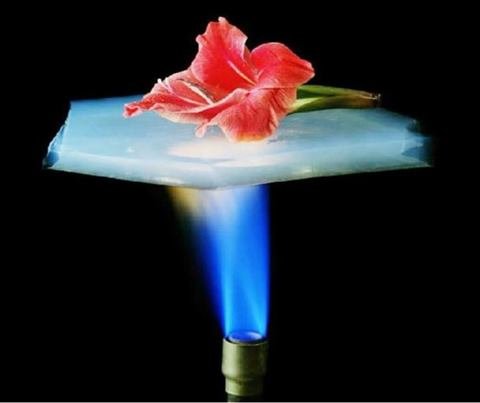
A flexible aerogel-composite fire blanket rated Class A non-combustible, with operating temperature grades spanning 200–1200 ℃ and excellent thermal insulation. Soft and foldable, it serves initial fire suppression, equipment and battery protection, rail vehicles and precision instruments.
Conductivity0.016–0.023 W/(m·K)
Temperature200–1200 ℃ (graded by application)
Fire ratingClass A
Density150–220 kg/m³
Specifications
Form
White blanket
Thickness
0.5–3 mm
Operating temperature
200–1200 ℃ (graded by application)
Flame resistance
Class A
Thermal conductivity
0.016–0.023 W/(m·K)
Density
150–220 kg/m³
Water repellency
≥99%
Width (by application)
1.0 / 1.2 / 1.5 / 2.0 m
Container loadingSupplied in a red carry bag, foldable for storage; width and length customized on request
Specifications are indicative and can be customized to actual operating conditions.
Typical Applications
Incipient fire suppression
Equipment & battery protection
Rail vehicles & vessels
Precision instrument insulation
Escape protection
FormWhite blanket Packaging0.5–3 mm thick · roll / folded
Key advantages
Class A non-combustibleClass A fire resistance
Up to 1200 ℃Grades spanning 200–1200 ℃
0.016–0.023 W/(m·K)Insulation and fire resistance together
Soft and foldableSewn, cut and sized to order
Application Notes
For incipient fires, cover the source directly to cut off oxygen; the blanket can also be wrapped around a person for escape protection. In system builds, layers are installed as fire barrier → insulation layer → early-warning layer.
We compared aerogel in three directions: blanket replacing conventional insulation, coating replacing rock wool and aluminum silicate wrapping, and insulation inserts replacing mica sheets. A summary is below — open the comparison page for the full data.
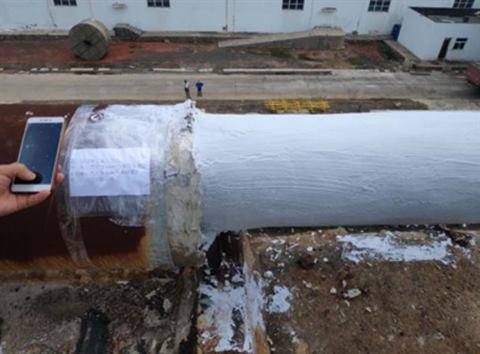
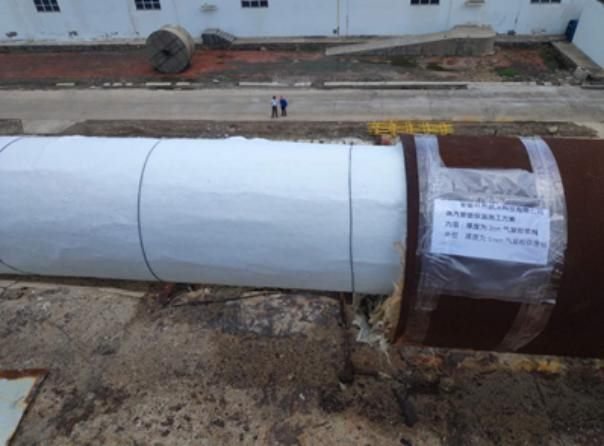
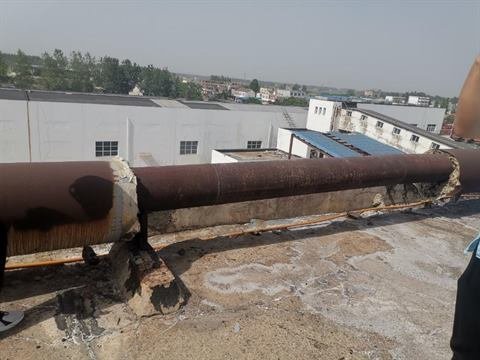
For the same steam line, replacing "150 mm aluminum silicate + color steel plate" with "multi-layer 10 mm aerogel + glass cloth + 50 mm aluminum silicate" cut total thickness from 150 mm to 80 mm, reduced surface heat loss from 439 W/m² to 138 W/m² and delivered a 74.6% energy saving rate.
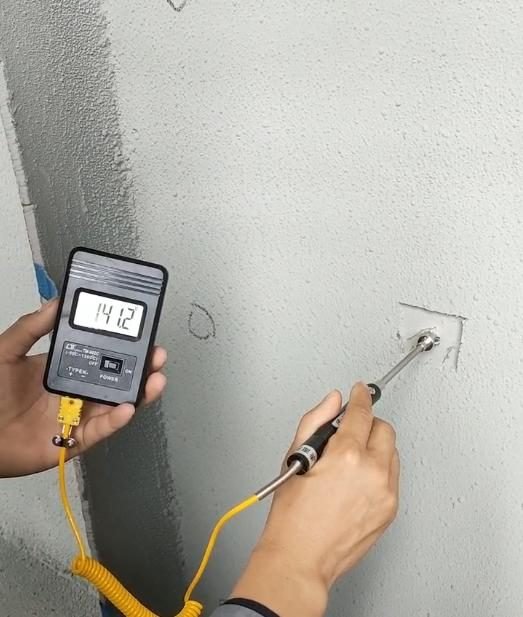
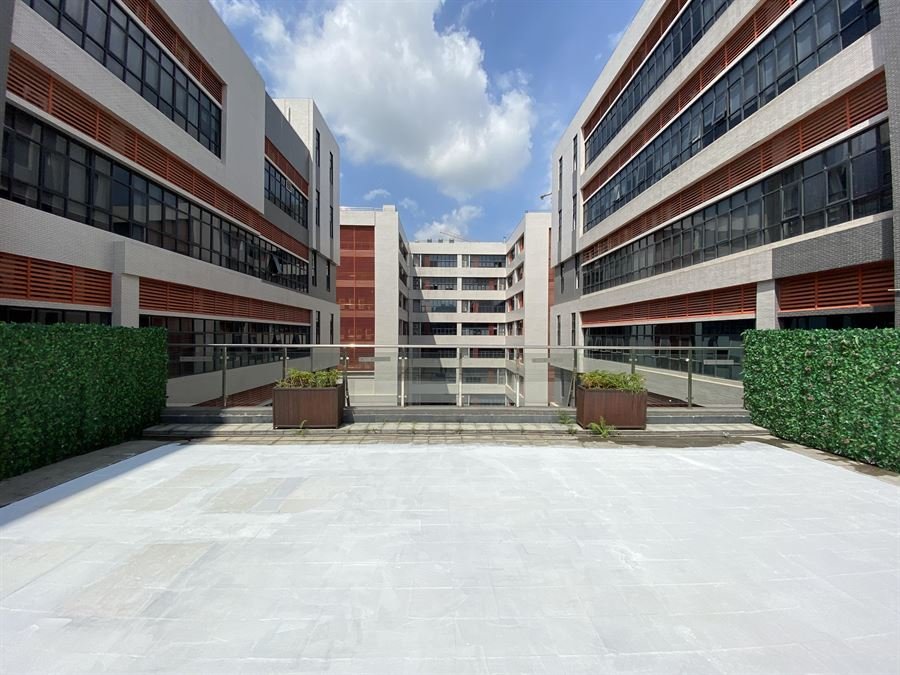
A steam rotary kiln previously insulated with 150 mm rock wool switched to nano insulation coating: measured gas consumption fell from 7.5 m³/t to 6 m³/t — about 20% saved — and maintenance no longer requires removing the insulation layer. On roofs, an aerogel-coated surface measured 13.9 ℃ cooler than an untreated one.
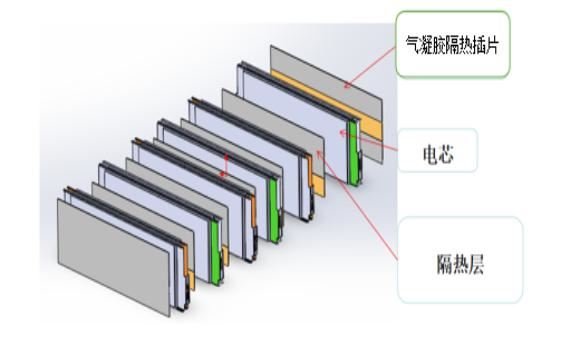
Between cells and modules, aerogel inserts deliver 1/20 the thermal conductivity and one third to one sixth the density of mica, with a temperature ceiling raised from 800 ℃ to 1000 ℃ — stronger thermal runaway blocking at lower weight.