
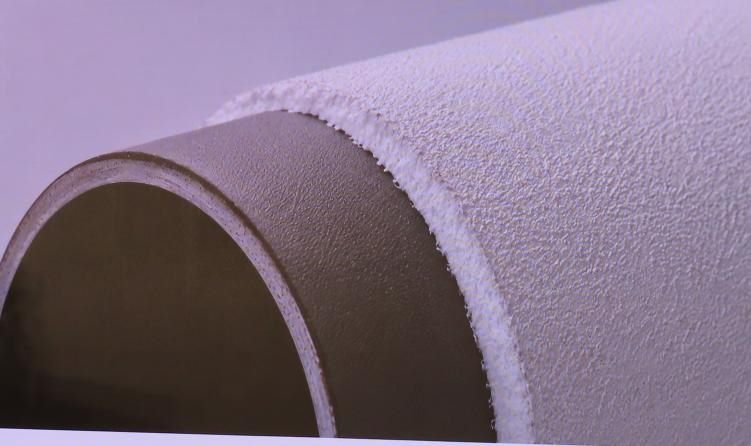
How it compares with conventional insulation
The same steam line needs 150 mm of aluminum silicate but only 80 mm of aerogel; surface heat loss falls from 439 W/m² to 138 W/m². Verifiable on-site data shows where aerogel differs on thickness, heat loss, installation and maintenance.
Aerogel Blanket vs Conventional Insulation
Steam piping · District heating · Tanks
For the same steam line, replacing "150 mm aluminum silicate + color steel plate" with "multi-layer 10 mm aerogel + glass cloth + 50 mm aluminum silicate" cut total thickness from 150 mm to 80 mm, reduced surface heat loss from 439 W/m² to 138 W/m² and delivered a 74.6% energy saving rate.
| Item | Conventional scheme | Aerogel scheme |
|---|---|---|
| Total insulation thickness | 150 mm | 80 mm |
| Pipe surface temperature | 40 ℃ | 18 ℃ |
| Surface heat loss | 439 W/m² | 138 W/m² |
| Heat loss along the pipe | 578 W/m | 147 W/m |
| Energy saving rate | — | 74.6% |
| Temperature drop per 1 km | 40 ℃ | 10 ℃ |
Basis: ambient 9 ℃, wind 3 m/s, steam 370 ℃ / 3 MPa, flow 20 t/h (per GB/T 8175-2008).
Aerogel Coating vs Rock Wool / Aluminum Silicate
Rotary kilns · Preheating tanks · Irregular equipment
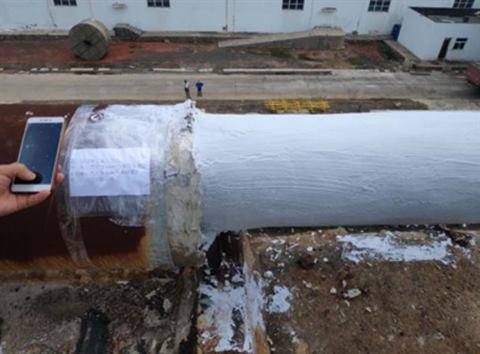
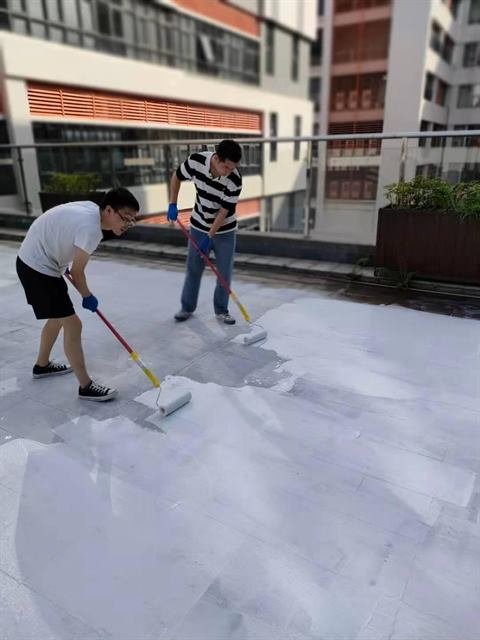
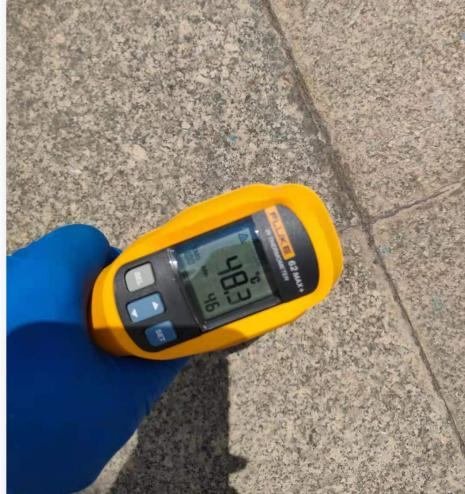
A steam rotary kiln previously insulated with 150 mm rock wool switched to nano insulation coating: measured gas consumption fell from 7.5 m³/t to 6 m³/t — about 20% saved — and maintenance no longer requires removing the insulation layer. On roofs, an aerogel-coated surface measured 13.9 ℃ cooler than an untreated one.
| Item | Conventional wrapping | Aerogel coating |
|---|---|---|
| Application | Cut & wrap + cladding | Trowel / scrape / spray |
| Irregular geometry | Poor — field splicing | Excellent — seamless |
| Maintenance | Must remove insulation | No removal needed |
| Gas consumption (measured) | 7.5 m³/t | 6 m³/t |
| Measured roof delta | Baseline | 13.9 ℃ cooler |
| Flame rating | Class A (varies) | Class A non-combustible |
| Material | Fibrous dust | Zero-VOC water-based |
Sources: measured data from a steam rotary kiln in Anhui; roof measurements at Building G1, Guangzhou Najin Industrial Park.

Aerogel Insulation Insert vs Mica Sheet
Cell · Module · Battery pack
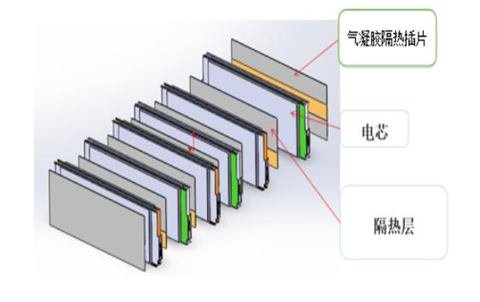
Between cells and modules, aerogel inserts deliver 1/20 the thermal conductivity and one third to one sixth the density of mica, with a temperature ceiling raised from 800 ℃ to 1000 ℃ — stronger thermal runaway blocking at lower weight.
| Item | Mica sheet | Aerogel insert |
|---|---|---|
| Thermal conductivity | 0.4 W/(m·K) | 0.02 W/(m·K) |
| Density | 200–350 kg/m³ | 100–200 kg/m³ |
| Temperature range | −40 to 800 ℃ | −40 to 1000 ℃ |
| Fire resistance | Normal | Excellent, self-extinguishing |
| Weather resistance | Good | Excellent |
| Compliance | — | ROHS compliant |
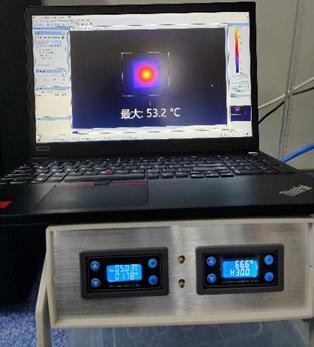
A 500 μm insert measured up to 20 ℃ of temperature drop; no toxic substances are released at high temperature.

All data comes from on-site measurement or third-party testing; no estimated values are included.
Need help specifying?
Tell us your operating temperature, medium and installation space — we will recommend the build-up and thickness.
